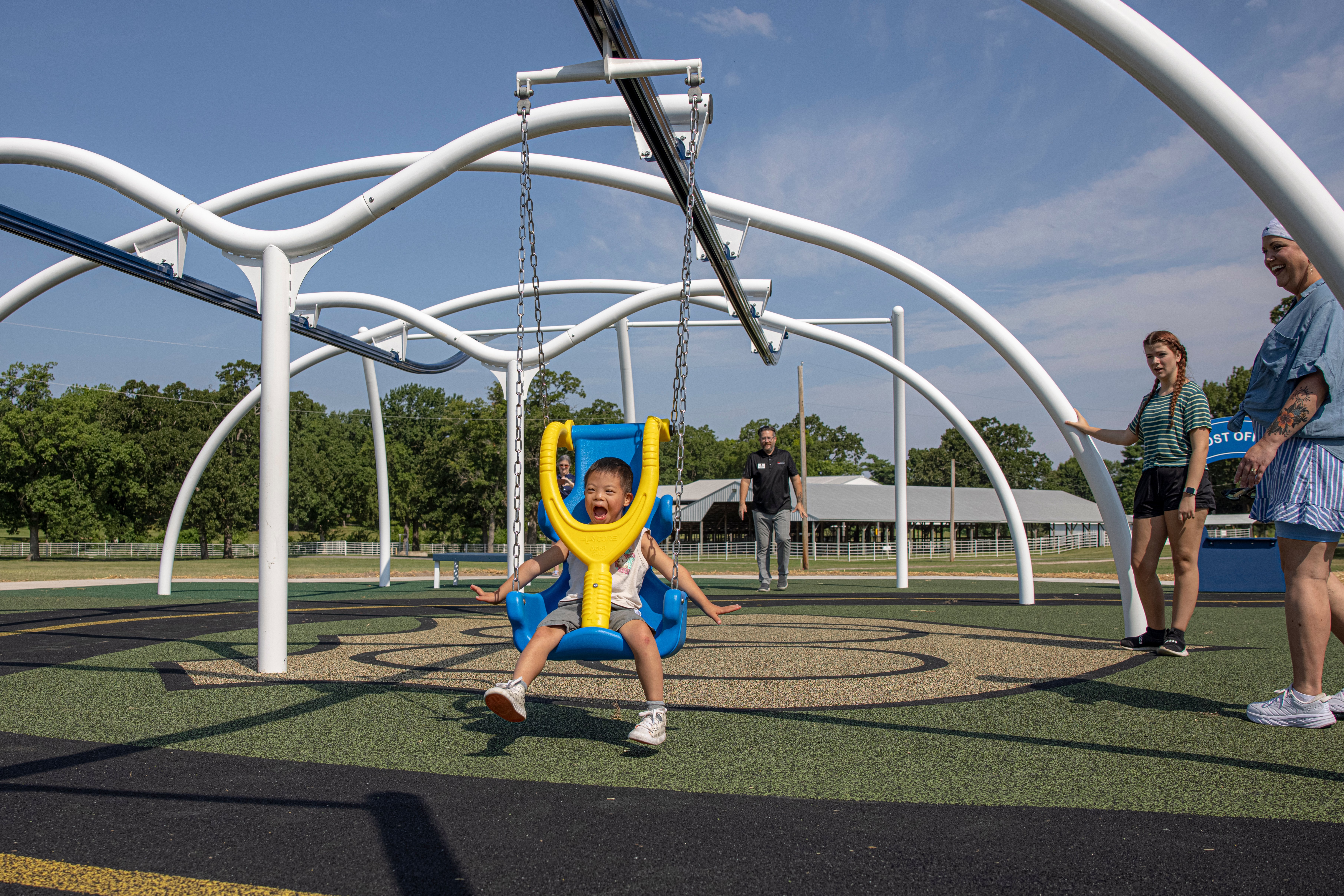
Programme Purpose
To enhance environmental sustainability, community wellbeing, and social cohesion through the development, rehabilitation, and maintenance monitoring of green and recreational spaces.
2. Strategic Objectives
- Increase access to safe and functional green spaces.
- Improve environmental quality and urban aesthetics.
- Promote recreation, health, and social interaction.
- Strengthen community ownership of public spaces.
- Reduce vandalism and environmental degradation.
3. Governance & Role Structure
Development Manager
Strategic oversight, partnerships, budget approval, and stakeholder coordination.
Development Officer
Operational coordination, site supervision, and implementation tracking.
Development Specialist
Technical advisory (landscape planning, environmental sustainability, recreation design).
Development Intern
Data collection, environmental monitoring, reporting support.
Development Volunteer
Community mobilization, maintenance support, awareness activities.
4. Core Activities & Responsibilities
4.1 Green Space Needs Assessment (Monthly Monitoring)
Activities
- Identify areas lacking recreational facilities.
- Assess condition of parks, playgrounds, and fields.
- Evaluate safety (lighting, fencing, equipment integrity).
- Map environmental degradation (erosion, illegal dumping).
- Collect community feedback on desired improvements.
Responsibilities
- Development Manager
- Approves assessment framework and priorities.
- Engages municipal parks and environmental departments.
- Development Officer
- Coordinates site inspections.
- Supervises assessment teams.
- Development Specialist
- Conducts technical condition assessments.
- Categorizes sites by rehabilitation priority.
- Development Intern
- Captures site data and geo-mapping records.
- Updates Green Spaces Condition Register.
- Development Volunteer
- Identifies neglected spaces.
- Assists in community surveys.
4.2 Park and Recreational Area Rehabilitation
Activities
- Repair playground equipment (where permitted).
- Advocate for resurfacing and landscaping.
- Improve fencing and seating areas.
- Monitor installation of new facilities.
Responsibilities
- Development Manager
- Approves rehabilitation proposals.
- Coordinates with contractors and authorities.
- Development Officer
- Oversees site-level implementation.
- Monitors timelines and quality standards.
- Development Specialist
- Advises on safe design standards.
- Recommends sustainable landscaping solutions.
- Development Intern
- Tracks rehabilitation progress.
- Compiles photographic documentation.
- Development Volunteer
- Assists during clean-up and improvement campaigns.
- Supports minor maintenance activities.
4.3 Community Garden & Environmental Initiatives
Activities
- Identify suitable land for community gardens.
- Support establishment of planting initiatives.
- Promote indigenous and climate-resilient plants.
- Monitor irrigation and sustainability measures.
Responsibilities
- Development Manager
- Secures stakeholder approvals.
- Approves environmental strategy alignment.
- Development Officer
- Coordinates garden project implementation.
- Monitors participation and outputs.
- Development Specialist
- Provides guidance on soil health, planting design, and sustainability.
- Advises on water-efficient systems.
- Development Intern
- Records planting schedules and yields.
- Supports environmental impact tracking.
- Development Volunteer
- Participates in planting drives.
- Promotes environmental awareness within the community.
4.4 Safety & Accessibility Improvements
Activities
- Install or advocate for park lighting.
- Improve pathways for accessibility (including disability access).
- Assess compliance with public safety standards.
- Monitor vandalism and misuse.
Responsibilities
- Development Manager
- Engages relevant infrastructure authorities.
- Reviews safety compliance reports.
- Development Officer
- Conducts monthly safety inspections.
- Maintains safety incident register.
- Development Specialist
- Conducts accessibility and risk assessments.
- Advises on universal design principles.
- Development Intern
- Updates safety monitoring logs.
- Assists in report preparation.
- Development Volunteer
- Reports vandalism or hazards.
- Supports community safety awareness.
4.5 Community Engagement & Ownership
Activities
- Host monthly green space forums.
- Promote “Adopt-a-Park” initiatives.
- Organize clean-up campaigns.
- Collect feedback on improvements.
Responsibilities
- Development Manager
- Chairs quarterly green space review meetings.
- Approves community partnership models.
- Development Officer
- Facilitates community engagement sessions.
- Manages volunteer coordination.
- Development Specialist
- Advises on sustainable community management structures.
- Development Intern
- Compiles engagement participation data.
- Prepares monthly engagement summaries.
- Development Volunteer
- Mobilizes residents for campaigns.
- Encourages responsible use of facilities.
4.6 Quarterly Green Spaces Review & Planning
Activities
- Consolidate three months of inspection data.
- Identify high-priority rehabilitation zones.
- Develop quarterly green space improvement plan.
- Present findings to leadership and stakeholders.
Responsibilities
- Development Manager
- Leads strategic planning session.
- Approves funding priorities.
- Development Officer
- Drafts implementation timelines.
- Development Specialist
- Provides environmental and technical justification.
- Development Intern
- Prepares dashboards and site condition comparisons.
- Development Volunteer
- Supports community consultation on proposed plans.
5. Key Deliverables
- Monthly Green Spaces Monitoring Report.
- Green Space Condition Register.
- Rehabilitation & Maintenance Log.
- Quarterly Green Space Gap Analysis Report.
- Environmental & Recreation Improvement Action Plan.
6. Key Performance Indicators (KPIs)
- Increase in functional recreational spaces.
- Reduction in vandalism incidents.
- Number of community clean-up campaigns conducted.
- Increase in community participation rates.
- 100% monthly monitoring report submission.
7. Risk Management Considerations
- Vandalism and theft.
- Insufficient maintenance funding.
- Environmental factors (drought, flooding).
- Low community participation.
- Safety compliance issues.